Introduction
Choosing the right soccer cleats can feel like a maze, but it’s simpler than you think. The best soccer cleats for you depend on where you play, how you play, and what feels good on your feet. This guide breaks it all down. We’ll look at different positions, field types, and the latest soccer footwear tech.
Whether you are a lightning-fast striker or a rock-solid defender, your football footwear matters. Your cleats are your connection to the pitch.
Understanding Your Playing Surface
The ground under your feet is the first thing to figure out. Your cleats need the right traction to work. You can’t use the same shoes on grass that you use on turf. It would be like wearing ice skates on concrete.
Firm Ground (FG) Soccer Cleats
These are the most common. Firm-ground soccer cleats are made for natural-grass pitches that are dry or slightly wet. They have studs that dig into the dirt. The stud configuration usually mixes conical and bladed studs. This gives you a stable base for quick cuts.
Soft Ground (SG) Cleats
These are for rainy days. Soft ground soccer cleats are for muddy, wet natural grass fields . They have fewer studs. The studs are longer and often made of metal. They sink into the deep mud. This stops you from slipping. But don’t wear them on hard ground. You’ll feel like you’re walking on stilts, and you might break a stud.
Artificial Grass (AG) Cleats
Artificial turf is everywhere now. Artificial grass soccer cleats are built just for that surface . The studs are shorter and more numerous. They spread your weight out. This stops you from twisting your knee. Wearing FG cleats on turf is a common injury mistake. The studs dig in too much and get stuck.
Turf Shoes
Turf soccer shoes are for hard artificial pitches. Think of the bouncy turf fields with rubber pellets. These shoes have lots of tiny rubber studs . They don’t dig in. They grip the surface. They are also great for coaching or training on firm ground.
Indoor Soccer Shoes
They are for courts, like in a gym or a futsal. There are no studs at all. They are basically snazzy sneakers designed for a flat, hard floor. They help you pivot smoothly without sticking.
| Brand | Signature Models | Key Tech / Materials | Best For / Position |
|---|---|---|---|
| Nike est. 1964 |
Mercurial (Superfly, Vapor) Tiempo · Phantom · T90 |
Flyknit / Atomknit
Zoom Air
Gripknit
Flyweave Ultra
Carbon-fiber plate
|
⚡ speed
🎯 strikers
🔄 wingers Mercurial = max/light speed · Tiempo = touch & control |
| adidas est. 1949 |
Predator · Copa Mundial F50 · X · Nemeziz |
K-leather (Copa)
Hybridtouch
PowerSpine
Sprintframe
textured strike zone
|
🎯 precision
💪 power
🧠 midfield Predator = control + swerve · Copa = comfort & heritage |
| PUMA est. 1948 |
King · Ultra Future · One · Mexico Finale |
K-leather (King)
MATRYXEVO
ULTRAWEAVE
Peba speedplate
GripControl Pro
|
⚡ speed
🔒 control
🛡️ defenders King = touch · Ultra = explosive pace |
| Mizuno est. 1906 |
Morelia (Neo, II) · Alpha Wave Cup · Rebula |
Premium K-leather
MIZUNO ENERZY
ZEROGLIDE α mesh
Engineered Fit Last
α Triangle studs
|
👟 fit
🎯 control
🧠 playmaker Morelia = heritage + comfort · Alpha = speed + responsiveness |
| New Balance est. 1906 |
Furon · Tekela 442 · Audazo |
Hypoknit
K-leather (442)
FuelCell midsole
N-Durance rubber
ripstop fabric (collab)
|
⚡ speed
🔄 agility
⚽ all-round Furon = wingers · Tekela = midfielders · 442 = traditional |
Choosing by Position: The Best Soccer Cleats for Strikers
Focus on Lightweight and Power
Strikers need lightweight soccer cleats to beat defenders. A heavy boot slows you down. Look for soccer cleats with a carbon fiber soleplate. This gives you a springy step. It helps you explode past the last defender.
Great Options for Strikers
For the best soccer cleats for strikers, look at the Nike Mercurial or adidas F50. These are designed for pure speed. “The F50 cleat is engineered for speed… a lightweight model of firm ground cleats designed to support stronger acceleration, quicker turns, and faster dribbling” .
Another top choice is the adidas Predator. It has elements designed to help you strike the ball with power and control. This is classic power boots territory.
Choosing by Position: The Best Soccer Cleats for Midfielders
Midfielders do the most running. They are the engine room. They need to pass, tackle, and shoot. They need ball control boots that give them a soft touch. Comfort is huge because they cover so many miles.
The Need for Control and Passing
Midfielders need great ball feel. They need to be able to play a pass with the inside of the foot or curl a shot from outside the box. They want performance soccer footwear that helps them stay on the ball. “The boot is all about flexibility to accommodate those sudden direction changes and creative flourishes” .
Great Options for Midfielders
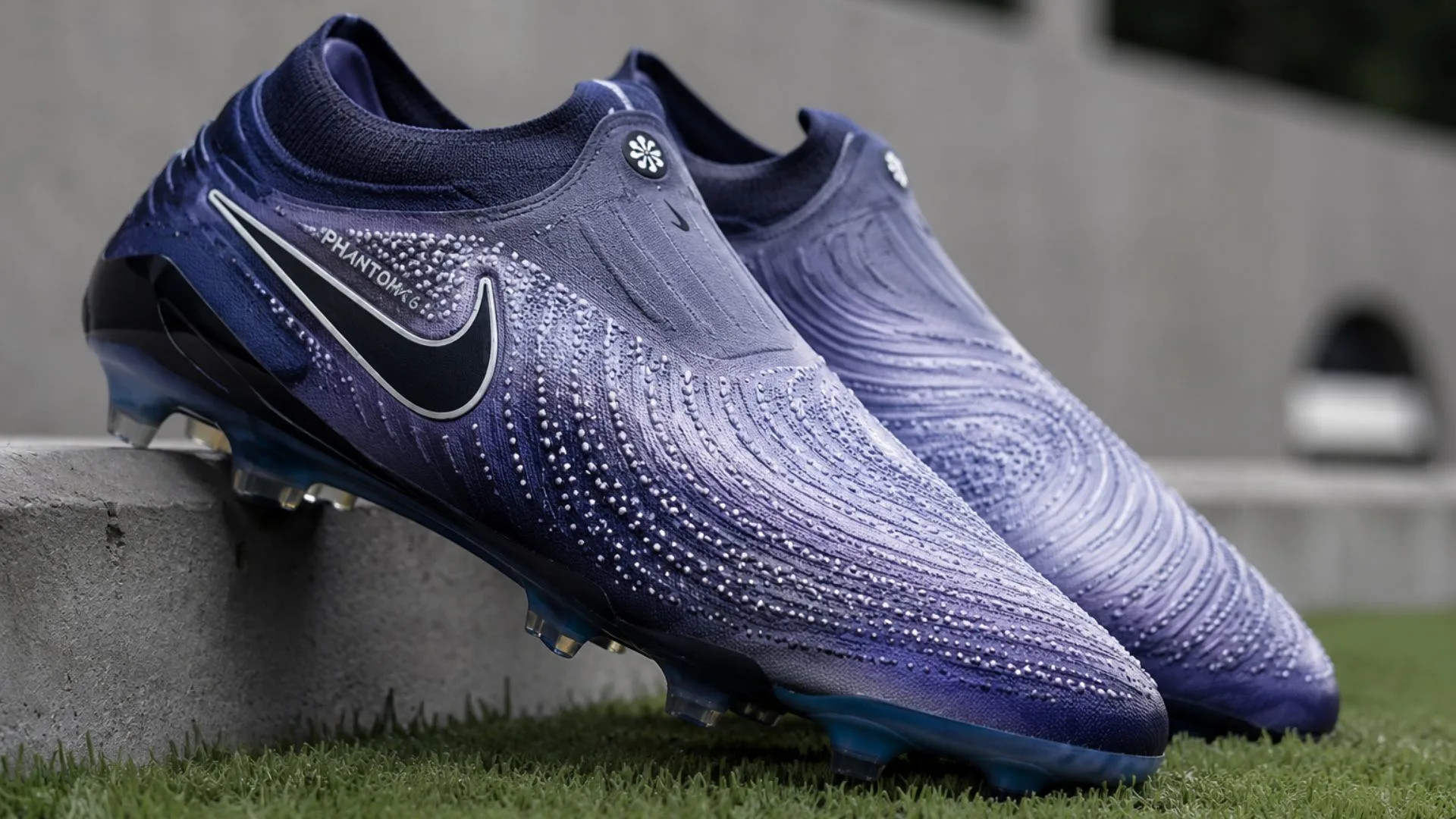
For the best soccer cleats for midfielders, the adidas Predator is a classic. It’s designed for precise passing and free kicks. The grip zones on the upper help add spin. The Nike Phantom GX is also a top choice. It has a textured upper that grips the ball for excellent control . The Nike Tiempo is perfect for those who want a classic, soft leather touch. It’s made for comfort and reliability.
Read More: Nike Phantom 6
Click Here To Buy: Nike Phantom 6 Low Elite AG-Pro Men’s Soccer Cleats
Choosing by Position: The Best Soccer Cleats for Defenders
Defenders need to be tough. They need durability and stability. You are making big tackles, clearing the ball, and starting attacks.
Focus on Durability and Stability
You are in the trenches. Your soccer cleats will take a kicking. Low-cut soccer cleats offer great freedom for running and tackling . But some defenders prefer a higher cut for ankle support. It’s about personal preference and injury history.
Great Options for Defenders
For the best soccer cleats for defenders, the Nike Tiempo is often the go-to . It has a soft leather upper for control and is built to last. The adidas Copa Mundial is another legendary choice. It’s an old-school boot that has been trusted for decades. “It delivers a moulded-to-the-foot fit… making it one of the most iconic and best-selling cleats in history” . It offers a great touch and reliable grip on the pitch.
Youth Soccer Cleats: Getting the Right Fit
Kids need good cleats, too. But they grow fast. The rules change a bit. Youth soccer cleats need to be safe and comfortable.
Safety First, Growth Second
Never buy soccer cleats that are too big. It is a huge mistake. Some parents think “they’ll grow into them.” But this is dangerous. A big boot causes blisters, reduces control, and increases injury risk . Instead, look for a snug fit. There should be about a thumbnail’s width of space at the big toe . This gives them a little room to grow, but not too much.
Materials: Synthetic vs. Leather
It changes performance. There are two main types: synthetic soccer cleats and leather soccer cleats.
Synthetic Soccer Cleats
Synthetic cleats are the modern standard. They are usually lighter. They are more durable. They often have cool textures to help with ball control. Materials like Flyknit or Gripknit are types of synthetics. The “Nike Phantom GX 2 Elite… The textured Gripknit synthetic material on the upper provides an exceptional connection between foot and ball” . They are also better at repelling water. This makes them great for match-ready cleats.
Leather Soccer Cleats
Leather is classic. It’s soft. It molds to your foot like a glove. This gives an incredible feel. The adidas Copa Mundial uses leather. Kangaroo leather boots are especially soft and thin. “It delivers a moulded-to-the-foot fit” . However, leather is heavier. It also absorbs water, making the boot heavier in the rain. It stretches out over time. This is great for comfort but can change the fit.
The Fit: How Should They Feel?
You can have the most expensive cleats in the world, but if they don’t fit, they are useless. Fit is king.
Snug but Not Too Tight
They should be snug everywhere. This gives you the best touch and control. If your foot slides inside the boot, you lose power and accuracy. “Soccer cleats offer the most amount of precision and control when they are snug” . But they shouldn’t pinch.
The Toe Test
There is one simple rule. You should be able to wiggle your toes just a little bit. If your toe is jammed against the front, it’s too small. Your toes will get bruised and blistered. If you have too much room, your foot will slide forward, and you’ll stub your toes on hard stops.
Traction and Stud Configuration
The studs on the bottom are the most important tech. They are what give you clear traction. They keep you on your feet.
Bladed Studs
Bladed studs are shaped like little fins. They are usually longer. They give amazing straight-line acceleration. Strikers love them for sprinting. They dig into the grass and push you forward. The stud configuration of the Nike Mercurial features “chevron studs provide traction” . This is a type of bladed stud.
The Soleplate
The soleplate is the base. A flexible outsole is good for comfort. A stiff outsole with a carbon fiber soleplate is for speed. It gives a springy feel. More advanced soccer boot technology is used here.
Caring for Your Cleats
You paid good money for your performance soccer footwear. Take care of them so they last.
Cleaning
Always clean your cleats after a match. Use a soft brush to get the mud and dirt off . Don’t use a washing machine. It can ruin them. Use a damp cloth for the upper.
Drying
Never, ever put your cleats in the dryer. The heat will warp the soleplate and damage the materials. Instead, stuff them with newspaper. This soaks up the moisture. Let them air dry naturally .
Storage
Keep them in a cool, dry place. Don’t leave them in a hot car. The glue on the sole can melt. This is how you get flexible outsole issues. Also, try to keep one pair for training and one for match days. This helps them last longer.
Conclusion
Finding the perfect pair of soccer cleats is like finding a good teammate. You need to trust them. You need to know they’ll have your back. It all starts with the surface. Get the right firm ground soccer cleats for grass or the right turf soccer shoes for artificial. Then, think about your role. The best soccer cleats for speed are for attackers. Midfielders need ball control boots. Defenders need stability and leather .
Don’t just buy a boot because it’s cool. Buy it because it fits and works for you. Remember, a clean, well-fitted boot makes you a better player. Make the smart choice, and you’ll play your best game. Get out there and find the pair that feels like it was made for your feet.
Read More: France vs Iraq