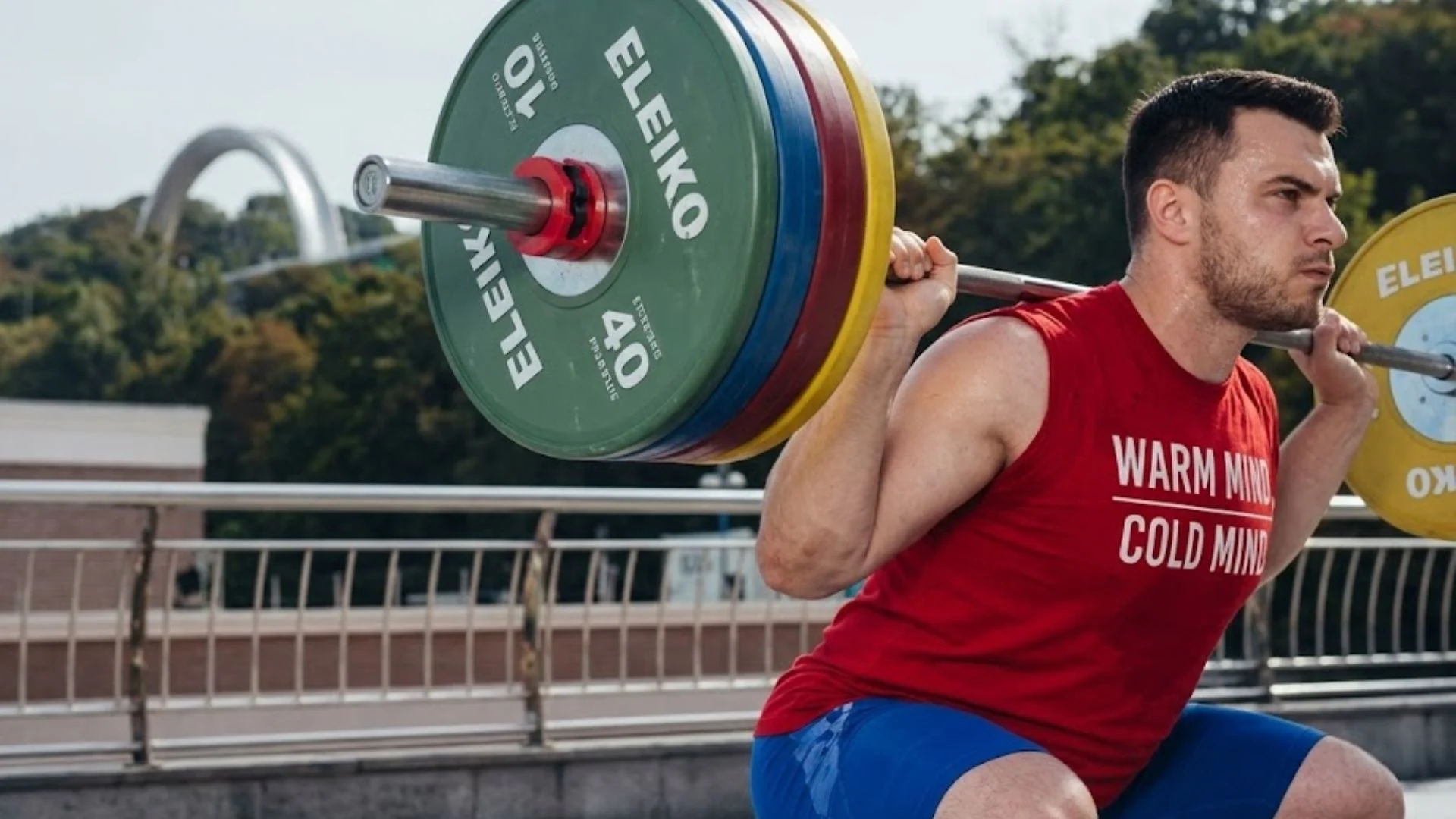
Athletic performance hinges on dozens of variables, from programming and nutrition to sleep and recovery protocols. But one factor that rarely gets the attention it deserves is what a lifter wears below the waist. Most people grab the nearest pair of shorts and head to the rack without a second thought.
That habit can quietly limit hip mobility, cause discomfort under heavy loads, and even increase the risk of tweaking something. The right training bottoms matter far more than most athletes give them credit for, and recognizing that can change how someone approaches every single session.
How the Wrong Shorts Limit Performance
Generic athletic shorts are designed for broad use, not for parking deep into a squat or grinding through a heavy pull. Loose, oversized fabric tends to gather behind the knees at depth, cutting into the range of motion right where it counts.
Thin material provides no compression, leaving muscles without the tactile feedback that sharpens body awareness. A flimsy waistband slips during deadlifts, forcing constant readjustment between reps. Each of those minor annoyances steals focus, disrupts stability, and drains power output over the course of a session.
What Sets Purpose-Built Training Bottoms Apart
Dedicated weightlifting shorts are designed to meet the specific demands of barbell training. Reinforced stitching sits at every high-stress seam, the waistband locks in place even under a lifting belt, and the cut allows complete hip flexion without fighting the fabric. Better options also incorporate moisture-wicking material that keeps skin dry through long, grindy workouts.
Compression and Muscle Support
A moderate level of compression around the quads and glutes encourages blood flow and dampens soft-tissue vibration during explosive efforts. Research published in the Journal of Sports Sciences indicates that compression garments can reduce perceived exertion and support quicker recovery between working sets.
That snug fit also helps a lifter stay more connected to the movement pattern, sharpening positional awareness at the bottom of a squat or during a clean catch.
Range of Motion Without Restriction
How fabric stretches matters just as much as how it fits. A pair that limits hip external rotation will alter squat mechanics, pushing stress onto the lower back. Purpose-built options use four-way stretch panels through the gusset and inner thigh, delivering full freedom of movement without bunching or excess material.
Both Olympic lifters and powerlifters benefit from these shorts, particularly during accessory work involving deep lunges or split stances.
Common Mistakes Athletes Make When Choosing Gym Bottoms
Picking training shorts based purely on looks is one of the most widespread errors. A stylish pair might photograph well on the gym floor, but fall apart functionally under a loaded barbell. Another frequent misstep involves selecting a length that clashes with knee sleeves.
Shorts sitting too low will bunch beneath neoprene, creating uncomfortable pressure spots. Athletes should also steer clear of cotton-heavy blends that soak up sweat and become heavy, leading to chafing during higher-rep work.
Overlooking Durability
Barbell knurling, chalk buildup, and constant friction at the hip crease chew through cheap fabric in a hurry. Investing in reinforced construction means fewer replacements and reliable performance across entire training cycles. A well-made pair retains its compression properties wash after wash, preserving the supportive fit that athletes count on session to session.
Practical Tips for Finding the Right Fit
The most reliable test is trying shorts during a warm-up that mirrors competition lifts. Athletes should squat to full depth, run through a hip hinge, and confirm the waistband holds firm without digging in. Fabric should snap back to shape after stretching, with no signs of gathering at the knee or groin. Checking reviews from lifters in similar disciplines also helps narrow the field before committing to a purchase.
The Mental Edge of Reliable Gear
Confidence under a heavy bar is partly a psychological equation. Knowing that gear will not shift, ride up, or fight against a movement lets a lifter commit fully to each rep. That trust in equipment translates to tighter bracing, more aggressive drives out of the hole, and fewer bail attempts. Small gear upgrades often produce outsized mental returns that quietly show up in training logs over weeks and months.
Conclusion
Quality training shorts are far more than a style decision. They shape mobility, comfort, gear longevity, and even mental preparedness during hard sessions. Athletes who brush off this piece of equipment often hit plateaus without understanding why.
Choosing bottoms built specifically for barbell work removes unnecessary friction from every training day, both the literal kind and the kind that sits between the ears. A smart investment in the right pair can steadily lift performance across every movement in a program.
Read More sports Blog: Mexico vs Australia