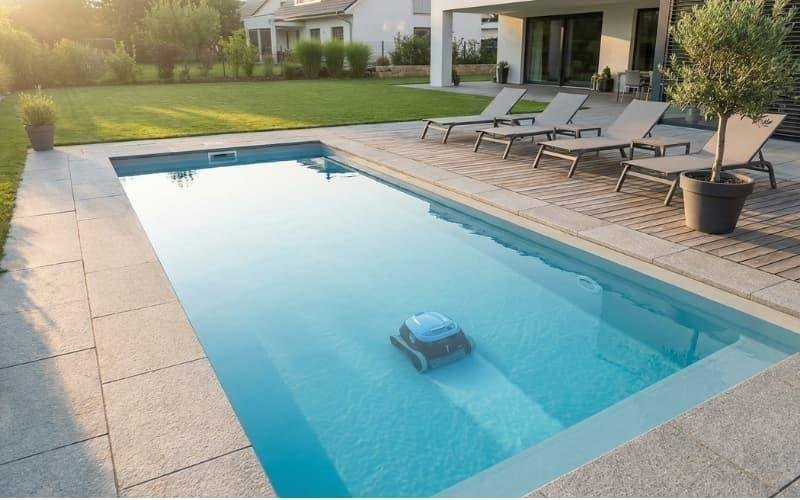
A robotic pool cleaner maintaining consistent cleaning in a clean residential backyard pool
Why Cleaning Consistency Matters More Than Occasional Deep Cleaning
Many pool owners focus on visible mess. They clean when leaves gather, when dirt becomes easy to see, or when the water starts to look less inviting. This approach is common, but it often leads to uneven results. The pool may look clean for a short time, then quickly fall behind again.
Consistent cleaning works better than occasional heavy cleaning. A pool stays in better shape when dirt, leaves, and fine particles are removed before they build up. This does not mean pool owners need to spend more time on maintenance. In many cases, it means they need a better system.
A steady routine keeps the pool more predictable. It also reduces the chance that one missed cleaning session turns into a bigger job later. When the cleaning cycle is more regular, pool owners often spend less time fixing problems and more time simply maintaining clean conditions.
The Real Reason Pools Become Inconsistent
Debris Does Not Enter the Pool at the Same Rate Every Day
One reason pool cleaning feels inconsistent is that debris changes from day to day. Wind, rain, nearby plants, dust, and pool use all affect how dirty the pool becomes. A quiet week may leave only a little dirt on the floor. A windy afternoon may fill the pool with leaves and pollen in just a few hours.
If pool owners only clean based on appearance, they often react too late. By the time debris is easy to notice, some of it has already settled, spread, or started to break apart.
Manual Cleaning Depends Too Much on Time and Energy
Manual work also creates inconsistency because it depends on personal schedules. Some days, there is enough time to brush, skim, and vacuum. Other days there is not. This is normal, but it causes irregular results. When pool cleaning relies too heavily on spare time, it becomes hard to keep a steady standard.
Build a Routine That Prevents Buildup
Clean on a Schedule, Not Only on Demand
A pool usually stays cleaner when maintenance follows a pattern. Waiting until the pool looks dirty often means the cleaning is already late. A schedule helps stop buildup before it becomes obvious.
This schedule does not need to be complicated. It just needs to be realistic. If the pool collects debris quickly, more frequent light cleaning may work better than one long weekly session. If the pool is in a cleaner environment, the schedule can be lighter. The goal is to match the routine to the pool’s conditions.
Separate Small Tasks from Bigger Tasks
Pool care feels easier when it is broken into parts. Surface debris, floor dirt, walls, and filter checks do not all need the same amount of time. When everything is treated as one large job, maintenance feels heavy. That often leads to delays.
Instead, it helps to keep tasks simple. Surface checks can be fast. Floor cleaning can follow a regular cycle. Wall checks can happen at set intervals. This makes the workload feel smaller and easier to repeat.
Focus on the Areas That Get Dirty First
Learn Where Debris Collects Most Often
Most pools have certain trouble spots. Dirt may collect along the edges. Leaves may settle in one corner. Fine debris may stay on the floor near steps or around the deep end. These patterns matter because they show where consistency is breaking down.
Pool owners who notice these problem areas can improve results without doing more total work. They can adjust the routine around the parts of the pool that need more attention. This is more effective than giving equal attention to every area every time.
Watch What Happens After Weather Changes
Weather often changes the cleaning load. Wind brings leaves. Rain carries dirt into the water. Hot days can increase pool use and add more organic matter. A pool owner who expects these changes can respond earlier and keep the pool more stable.
In many cases, cleaning soon after these events works better than waiting for the next general maintenance day. That single timing change can improve consistency without adding much extra effort.
Reduce the Need for Repetitive Manual Work
Use Tools to Support a More Stable Routine
The easiest way to improve consistency is to reduce how much cleaning depends on manual effort. If routine debris removal can happen in a more regular way, the pool is less likely to swing between clean and dirty conditions.
This is where a solution like an iGarden pool vacuum can fit naturally into the overall routine. Instead of saving all floor cleaning for a manual session, pool owners can build a more repeatable process around regular upkeep. That helps reduce the pattern of neglect, catch-up, and fatigue that often comes with pool maintenance.
Let Prevention Do More of the Work
Prevention is often more effective than correction. When dirt is removed early, it is less likely to spread, settle deeply, or stick to surfaces. That means less brushing, less repeated vacuuming, and fewer long cleaning sessions later.
The key idea is simple: steady removal of small messes usually takes less work than occasional removal of large messes.
Make the Pool Environment Easier to Manage
Reduce Debris Around the Pool
Cleaning consistency is not only about what happens in the water. It also depends on what happens around the pool. Trees, loose landscaping, deck dust, and runoff can all increase the cleaning load.
Small changes around the pool area can lower the amount of debris that enters the water. Trimming nearby plants, clearing leaves before wind moves them, and managing dirt near the deck can all help. These steps do not replace cleaning, but they make the routine easier to maintain.
Keep Filters and Basic Systems in Good Condition
A pool may still look inconsistent even when cleaning happens often. In some cases, the problem is not the schedule. It is the supporting system. If filters are overloaded or circulation is weak, debris may remain in the pool longer than expected.
That is why basic checks still matter. When the pool’s support systems work well, regular cleaning becomes more effective. Good cleaning consistency comes from the full routine, not just one action.
Avoid the Burnout Cycle
More Manual Work Is Not Always Better
Some pool owners respond to inconsistency by doing more manual work. They brush more often, vacuum longer, or add extra cleaning sessions. This may help for a short time, but it is hard to maintain. A routine that feels too demanding usually becomes inconsistent again.
A better approach is to create a process that feels sustainable. It should be easy enough to repeat during busy weeks, hot weather, or changing conditions. A lighter routine that actually happens is better than an ideal routine that gets skipped.
Aim for a Stable Standard, Not Perfection
A clean pool does not need to be managed through constant effort. It needs a stable baseline. Once that baseline is in place, maintenance becomes easier. Pool owners do not need to start over each time. They only need to keep conditions from slipping too far.
That is what real consistency looks like. It is not about making the pool perfect every day. It is about keeping the pool clean enough, often enough, that no single session becomes overwhelming.
A Smarter Routine Creates Better Results
Pool owners can improve cleaning consistency without adding more manual work. The key is not harder effort. It is better structure. A consistent pool usually comes from regular timing, smaller repeatable tasks, attention to problem areas, and less dependence on manual catch-up work.
When the routine is built around prevention, the pool stays easier to manage. Dirt does not have as much time to build up. Cleaning becomes less stressful. Results become more predictable.
In the long run, that is what most pool owners really want. They want a pool that stays clean with less interruption to daily life. A smarter system makes that possible.
About the Author