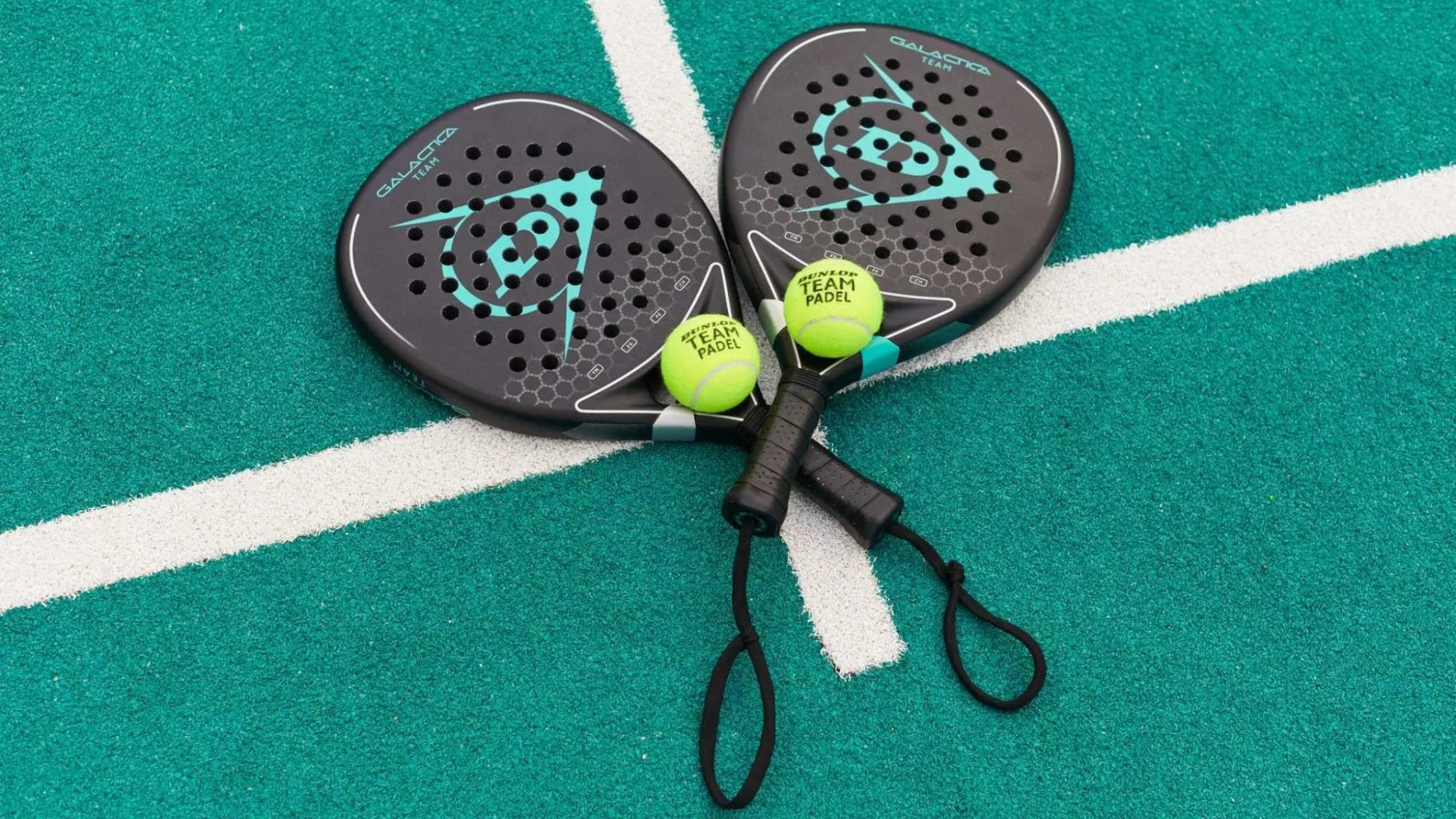
When Sarah picked up a padel racket for the first time at her local club in Bristol, she borrowed a friend’s advanced carbon frame. Within twenty minutes, her elbow ached, her shots flew wide, and she nearly gave up on the sport entirely. It was only when she switched to a purpose-built Beginner Padel Racket — lightweight, round-shaped, and built with a soft fibreglass core — that everything clicked. The ball started going where she wanted. The game became fun. That experience is far from unique, and it points to something the padel industry rarely says loudly enough: the racket you start with matters enormously.
Padel is one of the fastest-growing racket sports in the UK right now. According to the Lawn Tennis Association, the number of padel courts in Britain has grown dramatically year on year, with participation rising sharply among adults looking for a more social, accessible alternative to tennis. But with that growth comes a flood of equipment choices — and most beginners have no idea where to start. This guide cuts through the noise.
What Makes a Padel Racket Right for Beginners
Why Choosing a Beginner-Specific Racket Matters
Here is the truth that most equipment pages skip over. Using the wrong racket does not just make you play worse. It actively teaches you bad habits. When a racket is too heavy, too stiff, or has a small sweet spot, your body compensates. You grip tighter. You swing harder. You tense your arm to control shots that should feel effortless. Those compensations build into technique problems that take months to unlearn.
A racket built specifically for beginner padel players in the UK does the opposite. It supports your natural movement, reduces physical strain, and gives you positive feedback even on imperfect shots. That positive feedback loop is what keeps new players coming back. Research from sports science consistently shows that early success experiences are among the strongest predictors of long-term participation in any sport.
How Beginner Rackets Differ from Intermediate and Advanced Models
Advanced padel rackets are engineered for players who already have consistent technique. They prioritise power, spin generation, and precise ball placement. To achieve that, they use stiffer frames, harder cores, and shapes that push the sweet spot toward the tip of the racket. That design punishes off-centre hits. For a new player, an off-centre hit is basically every other shot.
A padel racket for new players takes the opposite approach. It prioritises:
- Control over raw power — helping you place the ball rather than blast it
- Forgiveness on mishits — maintaining consistent returns even when timing is slightly off
- Comfort over extended sessions — reducing vibration and arm fatigue so you can play longer and practise more
- A lower barrier to technique — allowing you to build skills without fighting the equipment
The gap between beginner and advanced rackets is not just marketing. It is a genuine engineering difference with real consequences for how quickly you improve.
Key Features to Look for in a Beginner Padel Racket
Racket Shape: Why a Round Shape Suits New Players Best
Padel rackets come in three main shapes: round, teardrop, and diamond. The shape determines where the sweet spot sits on the face.
A diamond shape pushes the sweet spot toward the top of the racket. That is great for generating overhead power — but it demands precise technique to hit consistently. A teardrop sits in the middle ground. A round padel racket positions the sweet spot low and central, right where your natural swing tends to connect with the ball. That central balance makes the racket far more forgiving and far easier to control. For someone still building their strokes, a round racket is not just a recommendation — it is genuinely the most logical starting point.
Sweet Spot Size and Off-Centre Forgiveness
The sweet spot is the area on the racket face that produces the cleanest, most controlled contact. Hit the ball in the sweet spot and it travels with pace, direction, and feel. Hit it outside and the shot goes wrong — the ball deflects, vibration spikes through your arm, and control disappears.
A padel racket with a large sweet spot reduces that penalty significantly. Beginners mishit constantly — not because they are bad players, but because timing and positioning take time to develop. A larger sweet spot means those imperfect contacts still produce usable shots. Over time, as your technique improves, you will naturally strike the ball more centrally. Until then, a forgiving sweet spot is essentially free insurance against discouraging play.
Weight: The Case for a Lightweight Padel Racket
Padel rackets typically range from around 340g to 385g. That might not sound like much. But across a one-hour session involving hundreds of swings, that difference is felt in the shoulder, elbow, and wrist.
A lightweight padel racket — sitting around 355g, like the PDX Rayo and PDX Aurora — gives you several practical advantages as a new player. Faster reaction time at the net. Easier maneuverability on defensive shots. Less accumulated fatigue during longer rallies. And critically, a reduced risk of the kind of repetitive strain injuries (tennis elbow, wrist tendinopathy) that send beginners to physiotherapy before they have even finished learning the rules.
Heavy rackets can generate more power, yes. But power means nothing when you cannot control where the ball goes. Lightness first, power later — that is the beginner’s progression.
Materials: Fibreglass vs Carbon for Beginner Players
Most beginner rackets use a blend of fibreglass and carbon fibre in their outer face. The ratio matters.
Carbon fibre is stiffer and transmits more energy back into the ball — that means more power, but also more vibration and less feel. Fibreglass is more flexible, absorbs vibration better, and produces a softer, more controlled response. A fibreglass padel racket with a blend like 70% fibreglass and 30% carbon gives beginners the comfort and control they need, while the carbon element adds enough durability and responsiveness to make the racket feel lively rather than dead. Both PDX beginner rackets use exactly this 30/70 carbon-to-fibreglass ratio — a balance deliberately engineered for new players.
Comparing Your Beginner Padel Racket Options
How to Read a Beginner Racket Specification
When you look at a product listing for a control padel racket, you will typically see the following details.
- Shape: Round = most forgiving. Teardrop = middle ground. Diamond = advanced power.
- Weight: Lower numbers = easier to swing. Around 355g is the beginner sweet spot.
- Core material: Soft foam (EVA soft) = more comfort and control. Hard foam = more power, less forgiveness.
- Face material: Higher fibreglass ratio = softer feel. Higher carbon ratio = stiffer response.
- Balance: Low balance (heavy toward the handle) = more control. High balance (heavy at tip) = more power.
Cross-referencing these five factors will tell you quickly whether a racket is genuinely designed for beginners or has just been labelled that way for marketing purposes.
What to Expect from an Affordable Beginner Padel Racket
The UK padel market has matured enough that genuinely well-designed entry-level rackets are available at accessible price points. An affordable padel racket at beginner level should include a round shape, a soft core, a fibreglass-dominant face, and a protective carrier bag as standard. PDX Padel goes a step further — including a free pack of balls with every racket purchase, alongside free UK delivery on orders over £50. That removes the most common friction points for first-time buyers.
What you should not expect at entry-level price points: cutting-edge carbon weave technology, precision weight distribution systems, or the same materials used by professional players. You do not need those things right now. What you need is a racket that makes learning easier and playing more enjoyable from day one.
PDX Padel Beginner Rackets: A Closer Look
PDX Padel’s two beginner options — the PDX Rayo and the PDX Aurora — share the same core specification: round shape, 355g weight, 30% carbon and 70% fibreglass construction, and a control-focused profile. Both come with a complimentary carrier bag. The Aurora is the more affordable of the two. The Rayo sits slightly higher in the range. Both are engineered in Britain with a clear focus on the needs of new players. Between them, they cover the main preferences a beginner might have without requiring any complicated decision-making.
How Long Will a Beginner Racket Last Before You Need to Upgrade?
Expected Lifespan and Signs It Is Time to Move Up
A well-made beginner padel racket is not a stopgap. It is a proper piece of sporting equipment built to handle regular play. Most players use their first racket for six to eighteen months before they feel ready to progress. The signs that you have outgrown your beginner racket are usually clear: your shots are landing consistently, you are generating power naturally rather than relying on the racket’s softness to do it for you, and you find yourself wanting more precision or spin that the round shape cannot fully deliver.
Physical wear is also a factor. Check the frame for cracks near the throat and the face for delamination (bubbling or soft spots). If either appears, the racket’s performance has been compromised and replacement is overdue regardless of how long you have owned it.
What Changes When You Move to an Intermediate Racket
Intermediate rackets typically shift toward teardrop shapes, which move the sweet spot slightly higher for more punch on attacking shots. Carbon ratios increase, making the face stiffer and more responsive.
Caring for Your Beginner Padel Racket
Storage and Transport Best Practices
The complimentary carrier bag included with PDX Padel rackets is not just a nice extra. It is essential protection. Padel racket faces are durable but not indestructible. Knocks against hard surfaces — a gym bag, a car boot, another racket — can cause micro-fractures in the fibreglass that are invisible to the naked eye but degrade the face’s performance over time.
Avoid leaving your racket in the car on hot or cold days. Extreme temperatures affect the foam core and the bonding agents between layers. A fibreglass padel racket stored correctly will outlast the same racket treated carelessly by many months.
Cleaning and Protecting the Racket Face
After each session, wipe the face down with a dry or slightly damp cloth to remove sweat, dirt, and clay dust. Avoid abrasive cleaning products. Check the grip regularly — a slippery grip forces you to grip harder, which increases arm tension and fatigue, and can accelerate exactly the kind of injuries beginners are most vulnerable to. Replacement overgrips are inexpensive and widely available. Fitting a fresh one every few weeks of regular play is good habit and good investment.
Frequently Asked Questions About Beginner Padel Rackets
Is a Round Padel Racket Always the Best Choice for Beginners?
For the vast majority of beginners, yes. A round padel racket offers the largest, most centrally positioned sweet spot, which is the single biggest factor in consistent play for new players. The one exception is players coming from a strong tennis or squash background who already have good racket-sport timing — they may find a teardrop shape manageable from the start. But when in doubt, start round.
What Weight Should a Beginner Padel Racket Be?
Most beginners do best with a racket in the 340g–370g range. A lightweight padel racket at around 355g — the weight of both PDX beginner models — sits comfortably in that window. Lighter than 340g and you risk sacrificing stability on harder shots. Heavier than 370g and arm fatigue becomes a real issue during longer sessions.
Do I Need to Buy Padel Balls Separately?
Not with PDX Padel. Every racket purchase from the beginner collection currently includes a free pack of balls — removing one of the most common logistical headaches for first-time buyers getting ready for their first session. Free UK delivery on orders over £50 further reduces the cost of entry for beginner padel rackets UK players are looking for.
How Is Padel Different from Tennis, and Does That Affect Racket Choice?
Padel is played on a smaller, enclosed court with glass walls and metal fencing that form part of live play. The scoring mirrors tennis, but the tactics are very different — there is much more net play, and using the walls strategically is central to the game. Critically, padel rackets are solid (no strings), shorter than tennis rackets, and perforated. A tennis racket cannot be used in padel. A padel-specific racket is not optional — it is the only equipment that works.
Can I Use a Beginner Racket in Club or League Play?
Yes, completely. Beginner padel rackets meet standard specifications for recreational club play and entry-level leagues across the UK. An affordable padel racket that conforms to the basic size and weight regulations is appropriate for any social or recreational competition. You will not be at a disadvantage playing with a beginner racket in a beginner-level environment — that is precisely what it was designed for.
Read More: Cardinals vs Reds