Water offers enjoyment, relaxation, and physical activities for people. Trained professional classes provide participants with the skills, knowledge, and confidence. Training is required to ensure safety. Today, water safety is a very serious matter.
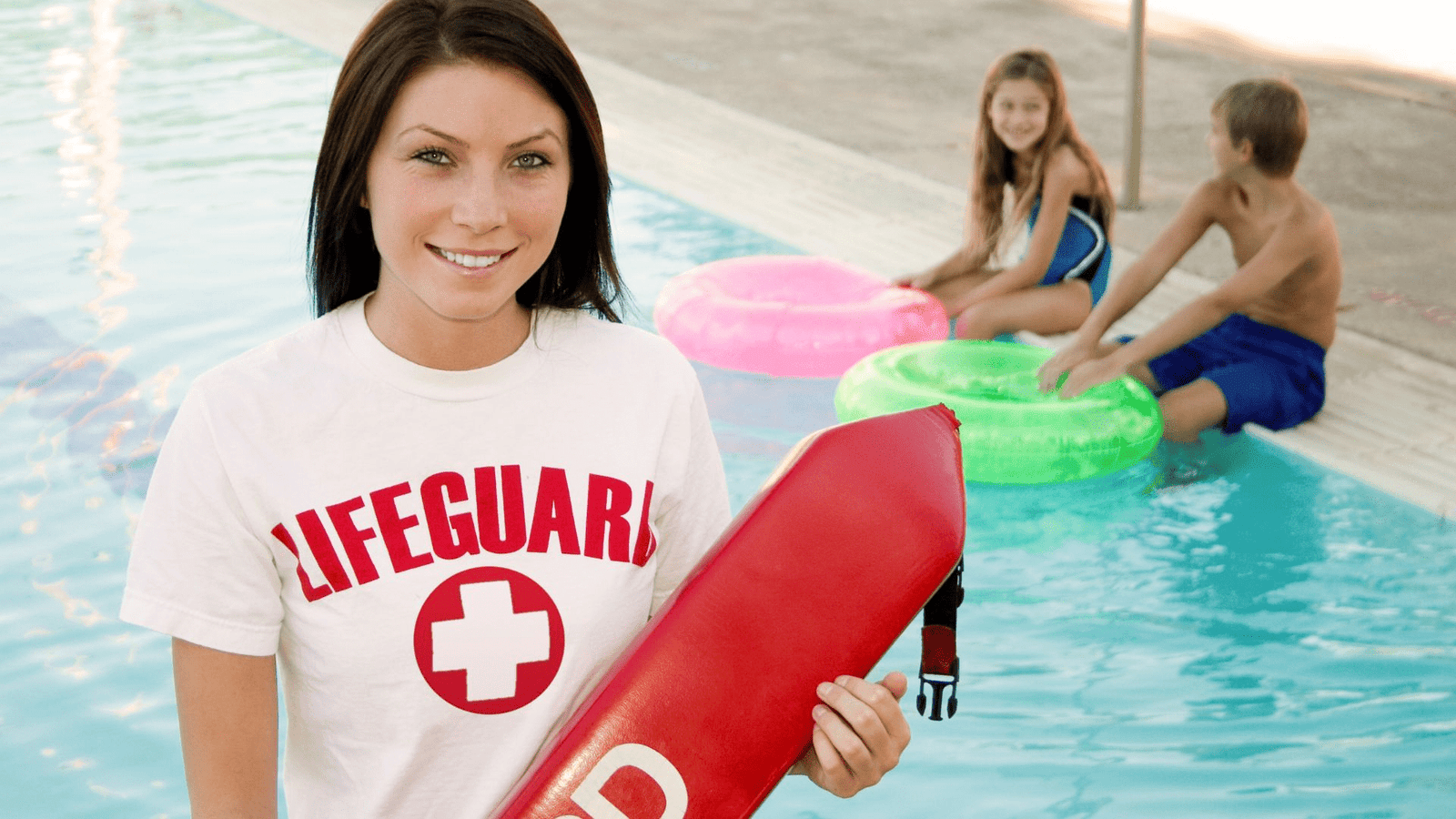
Water activities are fun, but they can also cause accidents. That is why lifeguard classes become very useful. It is not only about rescue skills; it also builds responsibility and discipline. The American Lifeguard Association is a special organization. They provide different training courses that teach people important factors, safety, and rescue skills.
Why Lifeguard Classes Are Important
Accidents have become common occurrences in present-day life. Accidents can occur unexpectedly, which is why trained professionals are essential. Water safety is a serious responsibility. Even strong swimmers can face unexpected difficulties caused by panic or environmental factors.
Many people think that becoming a rescue responder is only for trained professional swimmers, but this is not true. It is essential for everyone to get training. Rescue responders training is something that anyone can easily learn.
Benefits of Learning Lifeguard Classes
It provides us with numerous benefits of essential skills for saving lives. Its benefits leave remarkable impact on the social, economic, and physical aspects of our lives. It helps you to become more confident, aware, and responsible.
• Water safety awareness teaches you how to stay safe.
• These classes teach you how to react quickly under pressure.
• These classes help people stay calm and confident.
• Students learn important life-saving skills.
Skills You Learn in Lifeguard Classes
Training of rescue responders plays a very important role in our daily lives, and it is very important for us to learn it. Those classes teach people many important skills that help people stay safe around water. It includes many things for our benefit.
1. Basic swimming & Rescue techniques
Training becomes a reason for gaining mastery in swimming. Training makes a person better and better, because of which he can easily overcome every kind of difficult situation. We can learn a lot from this, such as how to move quickly in water, reach someone in trouble, and perform rescue techniques safely. These skills tell you what to do in emergencies.
2. CPR Training and AED Use
Cardiopulmonary reanimation (CPR) is one of the most critical chops a lifeguard can retain. Training includes
- Adult, child, and child CPR ways
- Deliverance breathing and choking response
- platoon-grounded reanimation scripts and CPR training ensure lifeguards can act decisively during cardiac or respiratory emergencies.
3. First Aid and Emergency Care
Lifeguards are frequently the first askers in submarine settings. Lifeguard training includes
- Treating cuts, fractures, and head/neck injuries
- Managing spinal injuries in water
- Responding to heat-related ails
- Feting and treating shock: These first aid chops are essential factors of comprehensive water safety training.
What You Learn in Lifeguard Classes
We can learn a lot from this, such as how to move quickly in water, reach someone in trouble, and perform rescue techniques safely.
• Students learn how to swim properly and rescue someone.
• It also teaches teamwork and communication skills.
• The training also makes you physically fit.
Who should Join Lifeguard Classes?
Anyone can become a trained rescue responder who is interested in water safety and also wants to help others. These classes help them stay safe around water, gain lifelong skills, and build the foundation for a healthy and active lifestyle.
• Many students join these classes to learn new skills.
• People who already know basic swimming can improve their abilities.
• Anyone who is interested in learning about water safety.
• Beginners can take these classes to learn basic water skills.
• Those people who want rescue skills.
Learning Lifesaving Skills
Here are some benefits of learning lifesaving skills:
• You become aware of potential dangers, like slippery pool edges, strong currents, or unsafe water areas.
• Working with other trained professionals improves teamwork and also helps you communicate better to keep everyone safe.
• You learn to make quick and safe decisions during emergencies.
• Swimming and rescue drills improve strength and stamina. They also take care of your physical fitness.
• Knowing that you can save others’ lives gives you motivation and pride.
How Lifeguard Classes are Conducted
These ALA lifeguard classes and certification near in your area usually include different types of training sessions. These sessions help students to understand water safety and rescue techniques. In the beginning, students learn basic information about lifeguarding.
The main part of the training is practical. Students practically learn many things, like swimming, rescue methods, and ways to help others. These practice sessions help them become more comfortable in the water. This session also improves their skills.
Students also learn how to stay calm and act quickly. It is essential for everyone to get training. Rescue responder training is something that anyone can easily learn. It ensures that everyone is ready to respond safely.
Lifeguard Classes by American Lifeguard Association
The ALA is a special organization that is dedicated to providing professional and complete rescue skills. Their programs are designed for anyone who is interested in becoming a trained professional. ALA has long championed water safety education. ALA’s Learn to Swim American eliminates many of those barriers. It is also available online. It means anyone can easily gain classes from their smartphone or computer. Moreover, Learn to Swim classes give current lifeguards new opportunities to stay active and calm.